top of page

Our
Approach

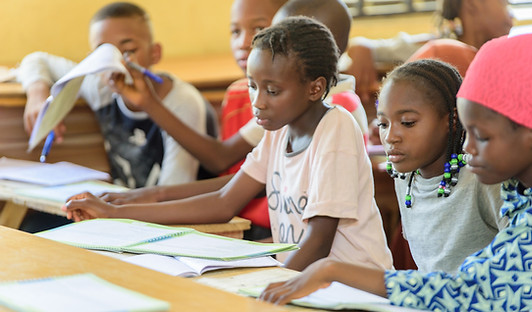
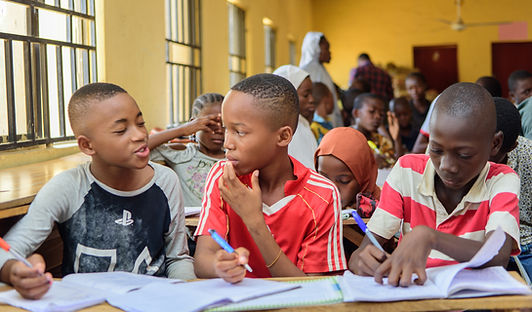
Education: We take the children we work with through an educational and learning activity focused on creating awareness and learning experiences to equip children with the knowledge to understand participatory democracy and governance as well as teaching positive values, right attitudes, and behaviours that are acceptable to society. We have imputed Civic Education, experiential learning and Storytelling as a part of our curriculum in some of our projects
DSC_1978.jpg

Protection (Safe Spaces): Due to the break-down of systemic structures, many children are exposed to societal vices which put them in danger; some of them are out-of-school children who mostly roam the streets during the day and find abandoned, dilapidated buildings to sleep at night where they are exposed to drugs and criminalities, others face the dangers of becoming teenage parents.
DSC_2072.jpg

Child Health and Wellbeing: Satayaa aims to incorporate systems that cater to the general well-being of children ranging from their mental health, to their physical health as they approach puberty, as well as the basic tenets of self-discovery and actualization that prepare them to be healthy members of their communities.
DSC_8002.JPG

Water, Sanitation and Hygiene (WASH): According to the World Health Organization, safe drinking water, sanitation and hygiene are crucial to human health and well-being. Safe WASH is not only a prerequisite to health but contributes to livelihoods, school attendance and dignity and helps to create resilient communities living in healthy environments. We have incorporated WASH into the curriculum of all our projects.

Our C-V-C 2 R-D-T approach is the most distinguishing feature of our programmes. Leveraging Child Rights provisions, it brings children into a holistic knowledge of their identity and the power they have to change situations around them for the better, which invariably leads to transformed communities. C-V-C 2 R-D-T works in four (4) steps:

Consultative Buy-ins: 

To deploy C-V-C 2 R-D-T, the first step is to have sessions with the children who would be beneficiaries of the intended program to describe what the intervention would entail and show using data from needs assessment the areas that would be paid keen attention to. The Children are allowed to iterate and or review our proposition. The outcome of this exercise is shared with the CDAC (Community Development Activity for Children), which is a committee set up by Satayaa in the communities we work with consisting of community stakeholders - Community leaders, Parents, Teachers, Management of schools and so on. 

Vision Casting: 

We ensure that we guide the children and other beneficiaries to begin with the end in mind. We take them on a journey by engaging the mind to see the vision of the transformation we aim to achieve, inspire them to desire it and agree with them to be accountable guides to support them to reach it. This process is quite immersive and engages the use of story-telling, visualization and feedback to feedback cycles, while maintaining an informal atmosphere, to enable beneficiaries to release tensions and embrace the journey.

Story-telling

The journey to a story is a journey of self-discovery and courage, especially when you are required to write it because you most likely will leave pieces of you in it’ - Adesuwa Iluobe.

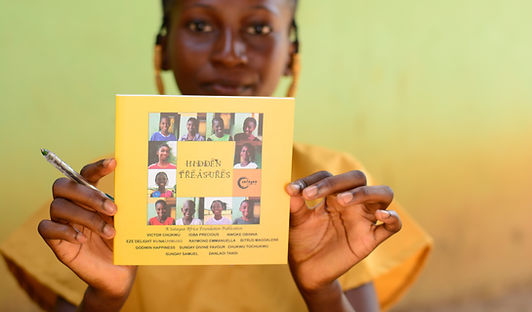
Storytelling for impact is a key component of C-V-C 2 R-D-T which puts power to action by writing or telling a story. When you tell a story either by means of writing or speaking, knowing that you are contributing to solving a problem by making available facts that could be referred to by interventions, could give a deep satisfaction that could spur even more action in the right direction. 80% of the time, we have seen children go from telling stories on some themes that affect society to proffering solutions for these issues and implementing these solutions to the extent that they can.

We use the C-V-C 2 R-D-T approach to deliver the following thematic areas:

  • ●  Education: Literacy, Civic Responsibility.

  • ●  Health: Well-being, Personal Hygiene

  • ●  Protection: Trauma Recovery and Healing.

    So far, 481 children understand their identity and take responsibility for their transformation and community development.

bottom of page